
New Zealand businesses want the next Government to keep the economy growing, hold a steady course on tax and finally deliver on long-promised infrastructure, according to the results of the Deloitte and Chapman Tripp Election Survey, released today by BusinessNZ at the Deloitte and Chapman Tripp Election Conference 2026.
The survey, now regarded as one of the country’s leading measures of business opinion, sets the views of BusinessNZ members alongside the policies of the parties contesting the election, across the issues that matter most to the economy: tax, regulation, infrastructure, energy, skills and the world of work.
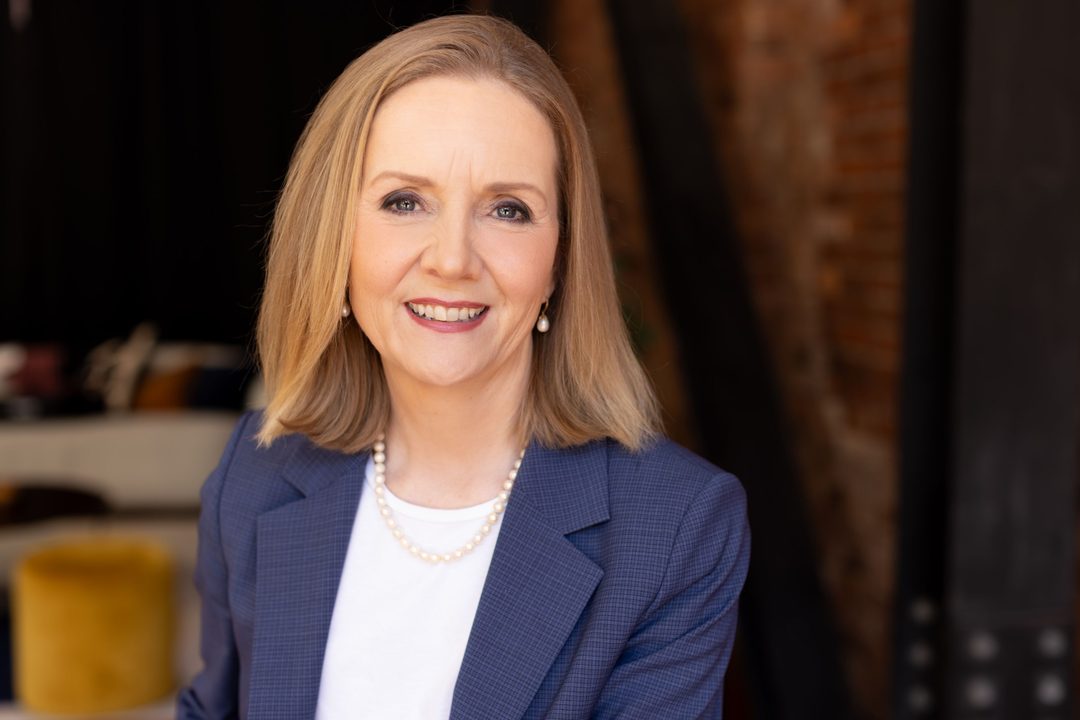
Business NZ Chief executive Katherine Rich said the survey sent a clear message to the next Government about business priorities.
“This year’s survey tells us that, above all, business wants confidence that the economy will keep growing, certainty that tax settings won’t be pulled out from under them, and follow-through on the infrastructure plans that have been talked about for years.”
Key findings include a majority agreeing that New Zealand’s retirement settings need reviewing, with most support for raising the retirement age to 67, while there was overwhelming support for parties to agree on a long-term, bipartisan plan for infrastructure.
Meanwhile, the cost of energy loomed as a major concern.
Deloitte New Zealand Chief Executive Mike Horne said the results suggested businesses were looking beyond short-term challenges and focusing on the foundations of long-term growth.
“What stands out to me is that businesses are increasingly focused on what comes next. They want an environment that supports investment, productivity and growth, together with the certainty needed to plan for the future.
“The survey also highlights the importance of energy, infrastructure and international competitiveness. These are not separate conversations. New Zealand’s prosperity depends on our ability to produce more, connect more and compete more, and businesses are looking for the certainty and investment settings that help unlock those opportunities.
Economic environment and regulation
Asked to name the single most important issue for achieving sustained economic growth, 57.7% of respondents pointed to the economic environment itself, well ahead of infrastructure (16.5%) and skills and human capital (11.7%).
Views on the Government’s record were mixed: 58.1% believe the Government has a coordinated plan of action to raise economic performance, while 47.1% said regulatory changes over the past three years have increased the cost of doing business, against 41.7% who disagreed. Just over a third (39.1%) believe regulatory reforms have improved productivity and ease of doing business to some extent, while a similar proportion (32.8%) saw no material difference.
On tax, the clearest message from members is a preference for stability rather than change. A majority want no change to personal (61.8%) or corporate (57.6%) tax rates, and 65.3% oppose a wealth tax. Views on a capital gains tax are almost evenly split (46.0% yes, 45.7% no). An overwhelming 93.5% of respondents rate an internationally competitive tax system as important or very important.
On retirement settings, two-thirds (66.5%) support raising the age of superannuation entitlement – most commonly to 67 – and 89.1% support making KiwiSaver contributions compulsory for employers, employees and the self-employed, with the largest group (39.9%) favouring a combined contribution rate of 10%.
Sustainable investment and energy
Energy costs remain a significant concern for business, with 80.4% saying future energy prices are an issue they are worried about, and 61.3% believing the Government is not doing enough to reduce regulatory barriers to electricity supply.
A clear majority (63.3%) believe New Zealand needs to increase its investment in adapting to climate change and natural hazards, and of those, 64.5% think this should be funded by central government rather than local government or affected property owners.
Infrastructure
Business support for long-term, cross-party infrastructure planning is emphatic: 94.7% back a bipartisan 20-30 year approach to infrastructure planning and funding, and 82.8% support recycling central and local government assets, with proceeds directed to new infrastructure. Support for public-private partnerships in delivering major projects sits at 64.5%, with a further 31.7% saying it depends on the sector.
Skills, immigration and the future of work
Members want compulsory education to lift its game: 72.4% identified literacy and numeracy attainment as needing review, followed by raising the standard of secondary education (68.1%) and school attendance (58.4%).
On the future of work, 58.5% expect artificial intelligence and robotics to have a significant impact on the size and composition of their workforce over the next five to ten years, while just over half (53.5%) have confidence in getting the skills they need under current immigration settings.
Employment environment
A majority of respondents (57.4%) said they had experienced difficulty terminating an unsatisfactory employee’s employment, and 59.6% favour bargaining for collective employment agreements at the enterprise level over sectoral or national bargaining. Notably, 56.7% said they would be prepared to pay the living wage as a minimum in their business in the near future.
Mrs Rich said the conference had become an important fixture on the election year calendar.
“We are proud to release these results at the Deloitte and Chapman Tripp Election Conference, where the Prime Minister, the Leader of the Opposition and spokespeople from across Parliament are putting their cases directly to the business community. The questions our members have raised deserve considered answers, and this is the forum in which to test them.”
“Our thanks go to our partners, Deloitte and Chapman Tripp, to the political parties for engaging so fully, and above all to the members who took the time to respond,” Mrs Rich said.